That’s Where Pet Massage Comes In
It’s not just pampering (though your pet might think it’s pretty great). Pet massage can be a gentle, hands-on way to ease discomfort, improve mobility, support healing, and even deepen your bond. It’s used by pet parents with aging dogs, animals recovering from injury or surgery, nervous rescues, athletic pups, and even healthy pets who just love the relaxing attention.
So, What Exactly Is Pet Massage?
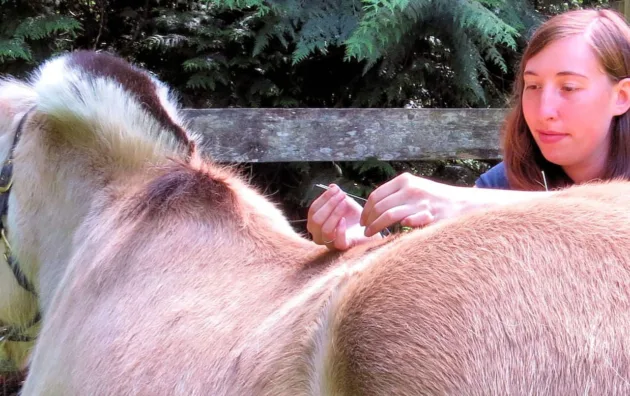
It’s a therapeutic technique that involves purposeful touch, guided by an understanding of animal anatomy and behavior. A trained practitioner uses their hands to assess the body, feel for areas of tension, and apply specific techniques to help release tight muscles, increase circulation, and support the body’s natural healing process.
Some massage practitioners are licensed massage therapists who’ve taken extra training to work with animals. Others have gone through specialized programs focused solely on pet massage. You’ll also find some who work alongside veterinarians as part of a broader care team.
What they all have in common is a gentle, respectful approach—and a deep love for animals.
Why Might Your Pet Benefit from Massage?
Every pet is different, but here are a few common reasons people seek out massage for their furry companions:
- Stiffness or reduced mobility: Especially in older pets or those with arthritis, massage can help loosen tight areas and make movement easier.
- Injury recovery: Once cleared by a vet, massage can support healing by improving circulation and easing muscles that may have tensed up to compensate.
- Anxiety or trauma: Rescue animals, pets with a history of trauma, or naturally anxious ones may find massage calming and grounding.
- Performance and athletic support: Active dogs—like those who do agility, flyball, or long hikes—can benefit from massage just like human athletes do.
- General wellness and connection: Some pet parents use massage simply as a way to support their animal’s well-being and strengthen their bond.
You might notice changes like a looser, more relaxed body, more ease in movement, better sleep, or even a calmer demeanor. Sometimes it’s subtle. Sometimes it’s pretty remarkable.
But How Do You Know Who to Trust?
That’s where we come in.
Finding the right practitioner for your pet can feel overwhelming. There are a lot of people out there offering different types of care, and not all of them explain clearly what they do—or have the kind of experience you’re looking for.
We Created The Vital Companion to Make Things Easier
It’s a place where you can explore holistic and alternative pet care options—like massage—and actually understand what you’re looking at. You can read about each provider, see what kind of training they have, learn what kinds of pets they work with, and even check out reviews from other pet parents.
You can search by location, service type, or specific concerns you’re hoping to address. And if you’re not sure where to start, we’ve got resources to help you understand the basics—no jargon, no pressure.
If you’re in Seattle or nearby, you might be surprised how many skilled, compassionate pet massage providers are right in our area. Our local listings make it easier to find someone close by who really gets what your pet needs.
We built The Vital Companion because we’ve been there. We’ve had pets who needed help beyond what a regular vet visit could offer. We’ve searched late at night trying to figure out what else we could do. We know how hard it can be to find support that feels both gentle and trustworthy.
This directory is meant to be that support. Not a replacement for your vet, but a companion resource—a way to find practitioners who care deeply about your animal’s comfort and well-being.
What Should You Look for in a Pet Massage Therapist?
- Training: Look for someone who has formal education in animal massage or bodywork—not just human massage. The anatomy and approach are different.
- Experience: Some therapists work mostly with dogs, others with cats, horses, or even small animals. Choose someone who’s worked with pets like yours.
- Comfort with your pet’s needs: If your animal has specific health issues, anxiety, or trauma history, make sure the provider is comfortable and experienced in those areas.
- Clear communication: You should feel listened to and respected. A good provider will explain what they’re doing, check in with you regularly, and work gently with your pet’s cues.
You don’t need to know everything before reaching out. It’s okay to just be curious. Many practitioners offer a quick phone consult or email intro to help you get a feel for their approach.
Ready to Explore?
You can start right here. Use our search tool to find a pet massage provider near you, or browse listings to get a feel for what’s out there. Take your time. Follow your gut. And know that whatever brought you here, you’re not alone in wanting more for your pet.
Whether your animal is aging, anxious, or just deserves a little extra TLC, massage can be a gentle, healing gift. And we’re here to help you find the right hands to offer it.